
Alain de Botton's Reading List: 10 Best Books on Love Recommended for Your Reading List
The best books about (Alain de Botton's Reading List) love and relationships don't all teach the same lesson. Some reveal how romantic fantasies can distort our expectations. Others explore the skills required to build trust, understand emotional needs, and maintain a lasting partnership. The following ten titles span fiction, philosophy, and relationship psychology. They're selected for the different perspectives they offer, rather than presented as a verified ranking or an official list of Alain de Botton's personal recommendations.
| Book | Author | Main theme | Best for |
| The Sorrows of Young Werther | Johann Wolfgang von Goethe | Desire and heartbreak | Readers exploring intense romantic feelings |
| The Course of Love | Alain de Botton | Long-term relationships | Understanding love beyond infatuation |
| The Conditions of Love | John Armstrong | Love and philosophical reflection | Readers who enjoy examining relationship assumptions |
| Essays in Love | Alain de Botton | Attraction and emotional patterns | Understanding the psychology of falling in love |
| A Lover's Discourse: Fragments | Roland Barthes | Longing and desire | Readers interested in the language of love |
| Madame Bovary | Gustave Flaubert | Romantic idealization | Exploring the gap between fantasy and reality |
| The Art of Loving | Erich Fromm | Love as a practice | Readers seeking a philosophical framework for love |
| The Symposium | Plato | Desire and the meaning of love | Exploring classical philosophy |
| An Intimate History of Humanity | Theodore Zeldin | Human connection | Readers interested in relationships in a wider social context |
| Hold Me Tight | Sue Johnson | Emotional bonds and communication | Couples seeking practical relationship guidance |
“"One of the finest novels I have known for unrequited love."”
— Goethe, The Sorrows of Young Werther
Note on context: An overly sensitive intellectual youth falls into obsessive unrequited love and ultimately commits suicide; a cautionary tale of extreme romanticism.
Key Takeaway: Over-idealization and self-dramatization in love are destructive; unrequited love requires rational vigilance.
- Examine whether you have a "tragic hero" tendency; when rejected, seek rational release rather than self-destruction.
The Sorrows of Young Werther by Johann Wolfgang von Goethe
Best for: Understanding unrequited love, romantic idealization, and heartbreak.
Johann Wolfgang von Goethe's The Sorrows of Young Werther is a classic novel about the intensity of romantic longing and the suffering that can follow when love cannot be fulfilled. Through Werther's letters, the novel draws readers into the thoughts of a young man whose feelings increasingly shape how he sees the world. One of the book's most relevant themes is romantic idealization. When someone becomes the center of our emotional life, it's easy to place them on a pedestal. We may fall in love not only with the person but also with the future we've imagined alongside them.
Consider someone who develops strong feelings for a person who is already committed to another relationship. Instead of accepting the limits of the situation, they may interpret every friendly gesture as evidence of a possible future together. Werther's story offers a literary way to examine how longing can influence judgment. The novel is not a practical relationship manual, and its tragic elements should not be treated as a model for responding to rejection. Its value lies in revealing how powerful emotions can overwhelm perspective.
What you can learn: Love can feel meaningful without being mutual or sustainable. Recognizing the difference between genuine connection and idealized desire is an important part of emotional maturity.
“"One of the finest novels I have known for unrequited love… a cautionary tale for intellectual, sensitive young men."”
— Johann Wolfgang von Goethe, The Sorrows of Young Werther (1774)
Note on context: De Botton views Werther as an archetype of exaggerated emotional possibility—a person utterly lacking in perspective, irony, and humour. The novel illustrates the danger of taking one's passion with "impossible seriousness," which literature often romanticizes but which leaves us ill-prepared for real love's messiness .
Key Takeaway: Werther's obsessive, self-dramatizing response to unrequited love is not a model to follow but a warning. De Botton uses it to argue that extreme romantic intensity, detached from humour and self-awareness, is ultimately destructive.
- • Recognize "Wertherism" in yourself: the tendency to inflate your suffering into a tragic identity.
- • When rejected, resist the pull of self-dramatization; seek perspective and irony instead of despair.
The Course of Love by Alain de Botton
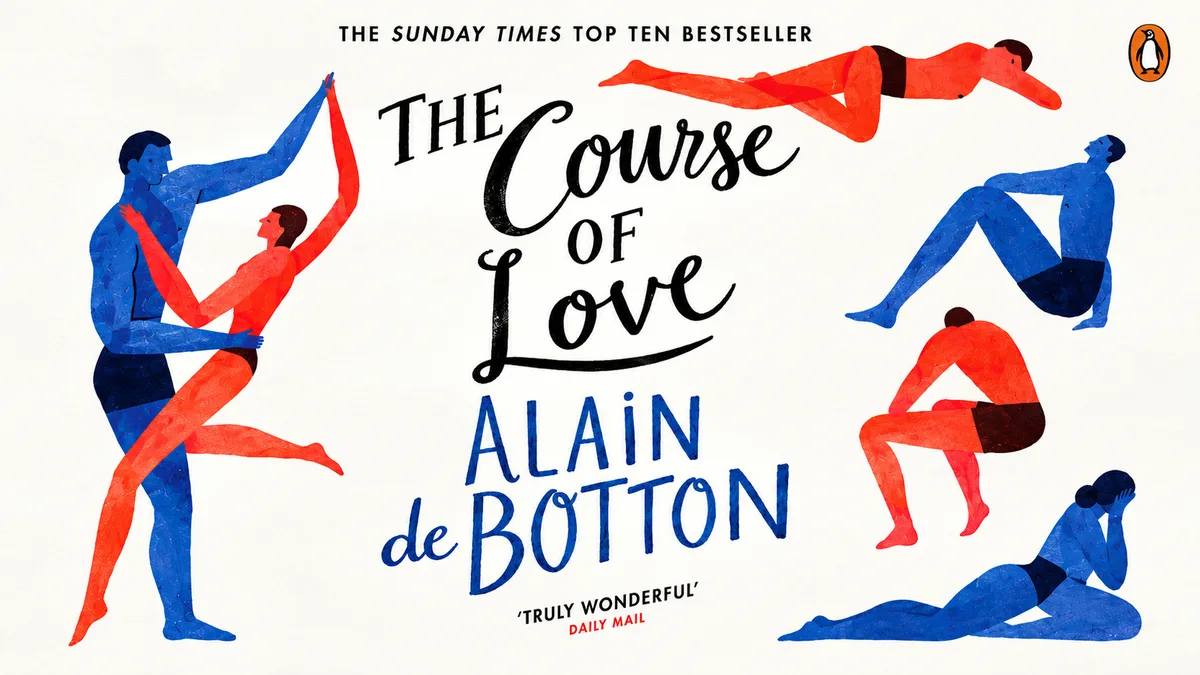
Best for: Understanding marriage, commitment, and the realities of long-term love.
In The Course of Love, Alain de Botton examines what happens after the excitement of falling in love gives way to the routines and challenges of a shared life. The novel follows a couple through relationship experiences that test their assumptions about romance, happiness, and commitment. The central question is familiar: Why can two people love each other and still struggle to understand one another?
Romantic culture often encourages us to believe that the right partner will understand our needs without explanation. In everyday life, however, people bring different habits, emotional histories, expectations, and ways of expressing affection into a relationship. Imagine one partner becoming quiet after a stressful day. The other interprets that silence as rejection and responds defensively. The first partner then feels misunderstood and withdraws further. Neither person necessarily intends to hurt the other, yet their reactions create distance.
This is where de Botton's approach becomes useful. Rather than treating conflict as automatic proof that a relationship is wrong, the story invites readers to examine the assumptions and emotional patterns beneath disagreements. The book is particularly relevant to people thinking about marriage and commitment, emotional intimacy, and the work involved in sustaining love over time.
What you can learn: Lasting relationships depend on more than attraction. Self-awareness, honest communication, patience, and a willingness to understand each other's emotional needs all matter.
De Botton's point echoes a much older idea: character is built through repetition. As Aristotle argued, we are what we repeatedly do, and the same is true of love. The small, consistent choices that sustain a relationship matter more than occasional grand gestures. To explore how habits shape character and personal growth, read our guide on what it means that we are what we repeatedly do.
Anchor text suggestion: [we are what we repeatedly do]
The Conditions of Love by John Armstrong
Best for: Reflecting on what love requires and what makes relationships meaningful.
John Armstrong's The Conditions of Love belongs in a discussion of philosophical books about relationships because it invites readers to think carefully about love rather than treating it as a feeling that explains itself. When people describe being in love, they may be referring to attraction, admiration, emotional security, sexual desire, companionship, or a sense of being understood. These experiences can overlap, but they are not identical.
This distinction matters when choosing a partner or evaluating a relationship. Strong attraction, for example, doesn't necessarily mean two people share compatible values or can manage conflict constructively. Likewise, a relationship that feels comfortable may still lack the openness and affection that both partners need. A philosophical approach encourages readers to ask better questions. Do you admire the person you're with? Can you be honest about your needs? Are you building a shared life that respects both people's individuality? Armstrong's work can complement de Botton's writing by encouraging readers to examine their assumptions about romantic fulfillment instead of accepting familiar cultural stories about finding the perfect partner.
What you can learn: Understanding love means looking beyond the feeling itself to the qualities, choices, and expectations that shape a relationship. Verify the title and edition against reliable bibliographic sources before publication.
“Love is not something we "find," but something we "create"”
— John Armstrong, Conditions of Love: The Philosophy of Intimacy (2002)
Note on context: Armstrong draws on Plato, Tolstoy, Freud, Stendhal, and others to explore how cultural and historical forces shape our understanding of love. The book distinguishes "infatuation" from "mature love," arguing that lasting love is not a diluted version of romantic passion, but rather a relationship model built on shared perception, imagination, and mutual understanding. Armstrong is a philosopher at the University of Melbourne and a co-founder of The School of Life
Key Takeaway: The book aims to construct a "mature conception" of love, moving beyond the romanticized notion of "finding the other half." Love is conditional, requiring cultivation and responsibility, not passive encounter.
- 1. Distinguish "infatuation" from "mature love": the former is intense but fleeting; the latter is built through sustained effort.
- 2. The "right person" is less important than the "right attitude"—love is a practice, not a discovery.
Essays in Love by Alain de Botton
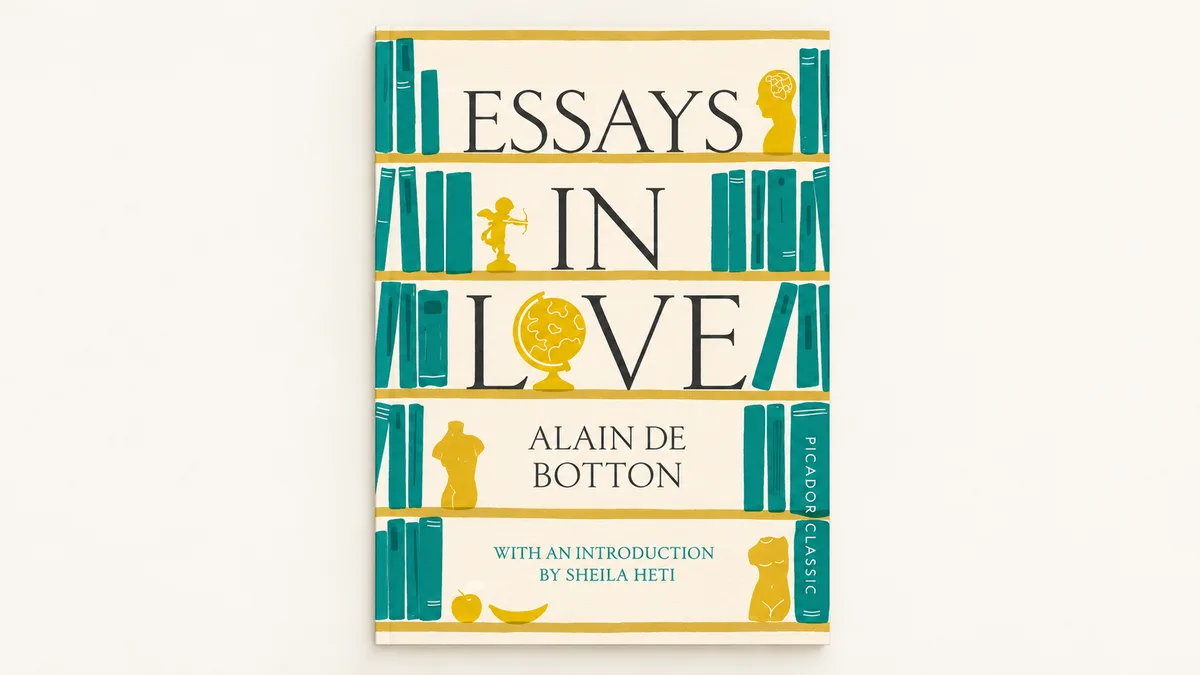
Best for: Understanding attraction, insecurity, and the emotional stages of a relationship.
Essays in Love combines storytelling with philosophical reflection to explore how a romantic relationship develops, from initial attraction to conflict and heartbreak. A chance meeting between a man and a woman becomes an opportunity to examine the interpretations, hopes, and insecurities that accompany falling in love. Rather than presenting romance as a straightforward sequence of happy events, de Botton looks at how people assign meaning to small moments. A delayed message may trigger anxiety. A compliment can become evidence that someone is deeply interested. A disagreement can feel like a judgment on one's worth. These reactions show how relationship psychology and personal expectations influence the experience of love. Two people can share an event but interpret it very differently because they bring different assumptions to it.
For example, a person who fears rejection may read a partner's need for solitude as a sign of fading affection. Someone who feels more secure may see the same behavior as an ordinary need for space. Understanding that difference can make communication more thoughtful.
The book's appeal lies in its combination of narrative and analysis. Readers experience the relationship through a story while being encouraged to question the beliefs that shape their own emotional lives. There is one bibliographic detail worth knowing: de Botton's debut novel was published as Essays in Love and is also known as On Love. The publisher's On Love book page identifies it as his debut novel, so these titles should not be counted as two separate works.
What you can learn: Romantic feelings are real, but the stories we tell ourselves about those feelings can be mistaken. Self-awareness helps us separate what happened from what we fear or hope it means.
A Lover's Discourse: Fragments by Roland Barthes
Best for: Exploring longing, uncertainty, and the language of romantic desire.
Roland Barthes's A Lover's Discourse: Fragments approaches love from a different direction. Rather than following a conventional plot or offering a step-by-step guide, Barthes examines the thoughts and expressions associated with being in love. The book explores experiences such as waiting for a message, searching for reassurance, imagining what another person feels, and struggling to communicate the intensity of one's emotions. These small moments can take on enormous significance when someone is emotionally invested in another person.
Consider waiting for a reply from someone you care about. The silence itself is simple: no message has arrived. Yet the mind may create several explanations. Perhaps the person is busy. Perhaps they're losing interest. Perhaps something went wrong. The emotional response often depends on the interpretation rather than the silence alone. Barthes helps readers notice the language and mental patterns that surround desire. His fragmented style may appeal to people who prefer reflective reading over a linear story, although it can feel abstract to readers seeking practical advice. The work is especially relevant to emotional intimacy, vulnerability, and the difficulty of knowing another person's inner life.
What you can learn: Being in love often involves uncertainty. Observing your interpretations without immediately treating them as facts can help you respond more thoughtfully to emotional situations.
“"The lover's fatal identity is precisely this: I am the one who waits."”
— Roland Barthes, A Lover's Discourse: Fragments (1977)
Note on context: Barthes uses semiotics to dissect the lover's inner monologue, breaking it into 80 "figures" (such as "waiting," "jealousy," "I-love-you"), arguing that the language of love is not spoken to the other but addressed to oneself and the "imaginary beloved".
Key Takeaway: Love is not an ineffable mystery but a structure that can be named and analyzed. The lover's various states (anxiety, jealousy, waiting) can be recognized through "figures," thereby gaining a certain clarity.
- • When experiencing strong emotions, try naming the state you're in (e.g., "I'm 'waiting'" or "I'm 'jealous'") rather than being engulfed by it.
- • Recognize that the language of love is often self-addressed—you're not so much talking to the other person as performing for yourself.
Madame Bovary by Gustave Flaubert
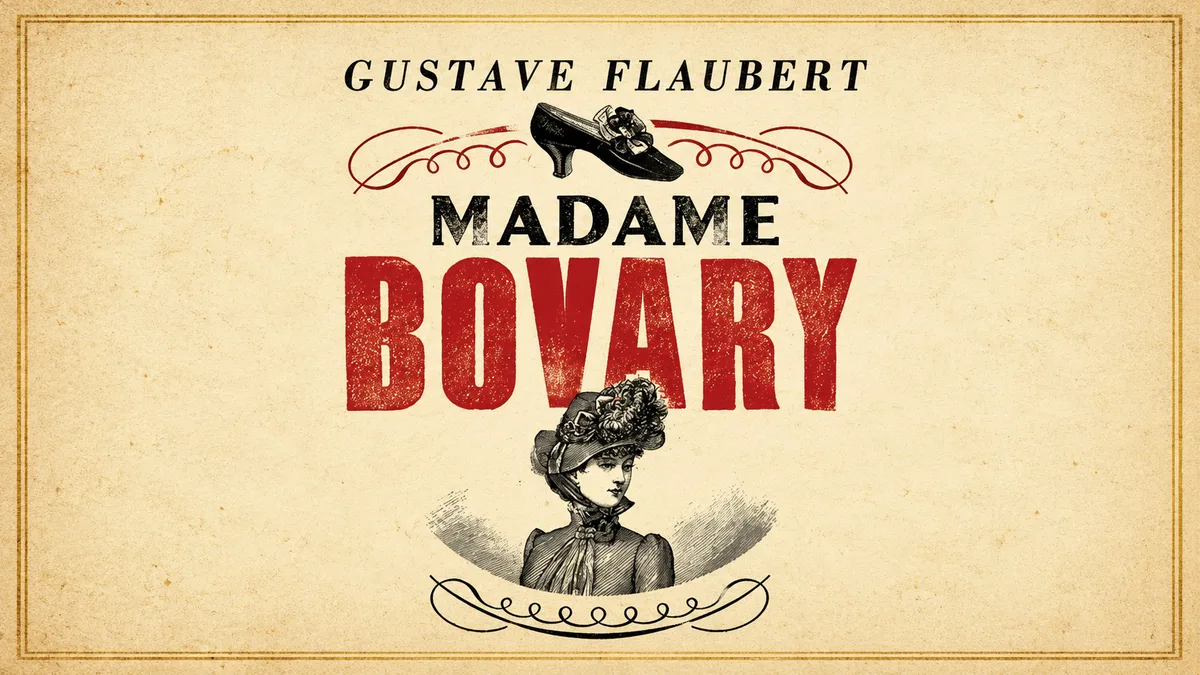
Best for: Understanding romantic fantasies and dissatisfaction with ordinary life.
Gustave Flaubert's Madame Bovary explores what can happen when a person's expectations of romance collide with the realities of marriage and everyday life. Its central character, Emma Bovary, longs for passion, luxury, and excitement beyond the life she experiences. Emma's dissatisfaction is shaped partly by romantic ideals. She expects love to deliver a sense of adventure and fulfillment that ordinary life cannot consistently provide. When reality falls short, she looks for escape in fantasies and relationships that promise something more exciting.
The novel raises a question that remains relevant: How much of our disappointment in love comes from a partner's behavior, and how much comes from the expectations we bring into the relationship? Imagine someone who believes a successful relationship should always feel exciting. As the initial intensity settles into familiar routines, they may assume that love has disappeared. Yet a quieter phase can also make room for trust, companionship, and deeper understanding.
That doesn't mean people should accept neglect or incompatibility. Instead, Flaubert's novel encourages readers to distinguish between genuine problems and the belief that real life should resemble an idealized romance. For readers interested in classic novels about love, Madame Bovary provides a rich exploration of desire, dissatisfaction, and the consequences of chasing an imagined version of happiness.
What you can learn: Romantic expectations influence how we judge relationships. Understanding the difference between a reasonable need and an impossible ideal can help us approach love with greater clarity.
The Art of Loving by Erich Fromm
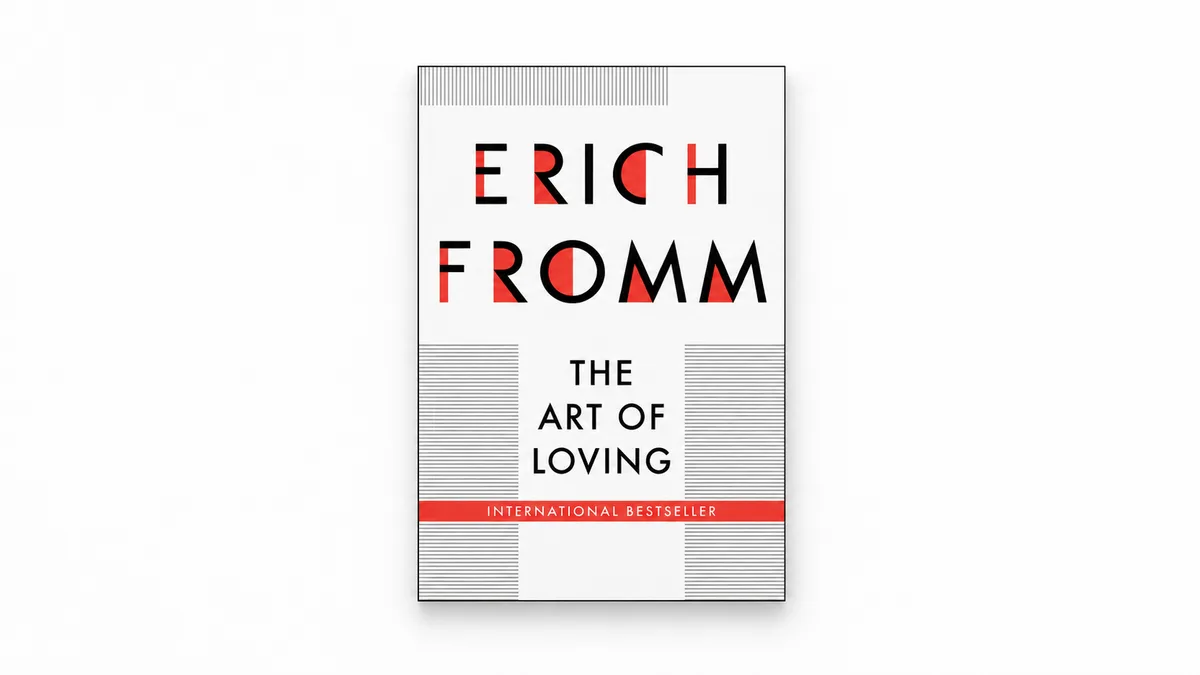
Best for: Understanding love as a skill that requires attention and practice.
Erich Fromm's The Art of Loving challenges the assumption that love is simply something that happens when we meet the right person. Fromm treats love as an ability that involves learning, discipline, care, and an understanding of ourselves and others. This changes the central question. Instead of asking only how to find someone who loves us, we can also ask how to become more capable of loving another person. Fromm's perspective is useful because romantic relationships involve ordinary choices as well as powerful feelings. Listening carefully, respecting a partner's individuality, taking responsibility for our behavior, and showing consistent care all contribute to a relationship's quality.
For example, if your partner shares a concern, you might immediately offer solutions or explain why they shouldn't feel that way. A more attentive response would be to listen first, ask what they need, and make sure you understand their experience before offering advice.
Such habits don't guarantee compatibility, but they can support healthier communication and greater emotional intimacy. Fromm's book is especially relevant to readers who want to explore the philosophy of love and the connection between personal growth and relationships. It also offers a useful contrast with novels that depict love's difficulties through individual characters.
What you can learn: Love isn't only a feeling to experience. It's also a way of relating to another person that can be developed through care, respect, responsibility, and self-awareness.
You can explore the book through its publisher, Bloomsbury's edition of The Art of Loving.
The Symposium by Plato
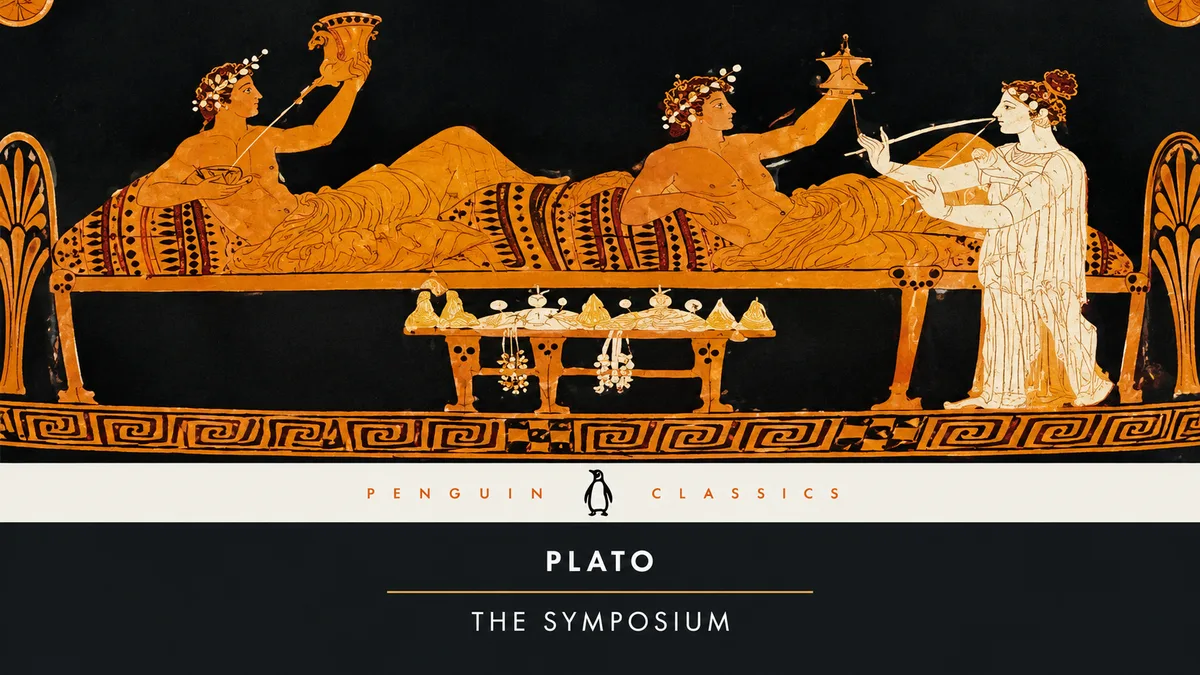
Best for: Exploring the philosophical meaning of love, desire, and beauty.
Plato's The Symposium is a philosophical dialogue in which a group of participants offer speeches about Eros, the Greek concept associated with love and desire. Rather than presenting one simple definition, the work explores different ways of understanding what draws people toward one another and toward beauty. The dialogue is particularly valuable for readers who want to look beyond romantic attraction and ask broader questions about human aspiration.
Is love mainly a desire to possess something beautiful? Can it encourage us to become wiser or more virtuous? Does our attraction to a particular person connect to a wider appreciation of beauty and goodness? These questions make The Symposium a foundational work for anyone exploring philosophical perspectives on romantic love.
Its ideas also provide a useful contrast with modern relationship psychology. A contemporary guide might help a couple communicate more effectively during an argument. Plato invites readers to step back and ask what love means and why people desire it in the first place. Because it is an ancient philosophical dialogue, the book may require more patience than a modern relationship guide. Readers new to classical philosophy may benefit from an accessible translation with explanatory notes.
What you can learn: Love can be examined not only as an emotion between two people but also as a question about beauty, growth, desire, and what makes a life meaningful.
An Intimate History of Humanity by Theodore Zeldin
Best for: Understanding love and connection within the wider story of human life.
Theodore Zeldin's An Intimate History of Humanity takes a broader approach than books focused exclusively on romantic relationships. It examines human experiences, social expectations, emotions, and the ways people have tried to make their lives more meaningful. Zeldin considers how people connect, communicate, respond to loneliness, and develop different ideas about love and desire. His historical and philosophical perspective helps readers see intimate relationships as part of a much wider human story.
This broader perspective can be helpful because romantic relationships don't develop in isolation. Family expectations, cultural traditions, social roles, and personal experiences can all influence what people want from love. For instance, two partners may have different assumptions about marriage. One might see it primarily as a lifelong commitment built around shared responsibilities, while the other may place greater emphasis on personal independence and continued individual growth. Neither perspective automatically makes a person unsuitable for a relationship, but the differences need to be understood and discussed. Zeldin's work is especially suitable for readers who enjoy exploring human connection through history and social thought rather than focusing only on individual relationship techniques.
What you can learn: Our ideas about love are influenced by the world around us. Understanding other people's experiences and assumptions can help us approach relationships with greater curiosity and empathy.
“De Botton: "A beautiful attempt to connect up the large themes of history with the needs of the individual soul."”
— Theodore Zeldin, An Intimate History of Humanity (1994)
Note on context: Zeldin is a historian at St Antony's College, Oxford. This book challenges traditional historical writing, not narrating by era or region, but instead taking human emotions and relationships as its throughline—exploring how loneliness, conversation, love, fear, and curiosity have evolved across different cultures and historical periods.
Key Takeaway: History can serve as a "liberating force"—it reveals the multiplicity of human possibilities, thereby helping us break free from the impasses of the present.
- • When feeling stuck in a current relationship or emotional predicament, ask: How did people in the past face similar situations? Are there approaches I haven't considered?
Hold Me Tight by Sue Johnson
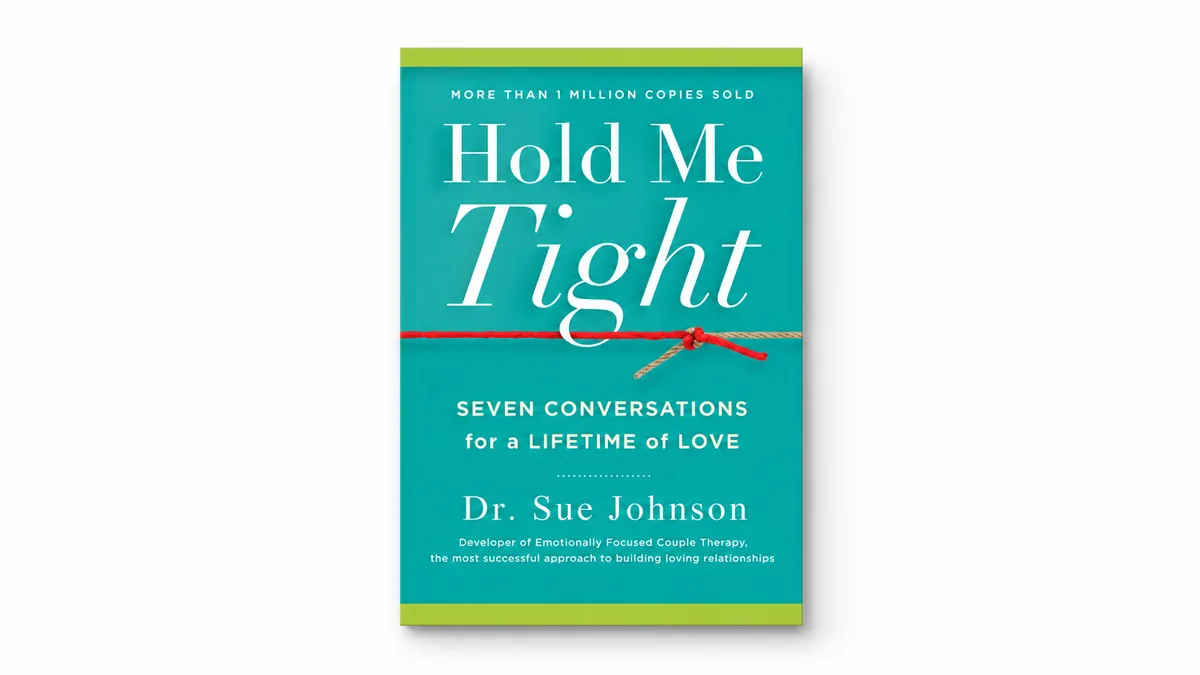
Best for: Couples who want to understand emotional connection and recurring conflict.
Sue Johnson's Hold Me Tight: Seven Conversations for a Lifetime of Love offers a more practical approach than the philosophical and literary works in this list. It draws on Emotionally Focused Therapy (EFT), a therapeutic approach that emphasizes emotional bonds and the importance of secure connection. Johnson explores how couples can become caught in repeated patterns of conflict. Often, the disagreement on the surface is only part of the problem. Beneath it may be fear of rejection, a need for reassurance, or the feeling that a partner is no longer emotionally available. Consider a couple who repeatedly argue about one person spending too much time at work. One partner complains about the lack of time together, while the other becomes defensive and insists that work is necessary. The argument may keep repeating because neither person feels understood: one fears disconnection, while the other feels criticized or unappreciated.
A more productive conversation would explore those underlying concerns. What does time together represent to each person? What would help both feel valued? Can they discuss their needs without turning the disagreement into a contest over who is right? Johnson's book uses structured conversations to help couples examine these emotional patterns and strengthen their connection. The publisher describes it as a guide to building stronger relationships through practical exercises and conversations. Unlike literary works that encourage reflection through characters and ideas, Hold Me Tight is designed to help readers apply concepts to their own relationships.
What you can learn: Recurring conflict may involve unmet emotional needs as well as the immediate disagreement. Learning to discuss those needs with openness and care can help couples build greater trust. This book is a useful starting point for couples seeking practical guidance, although it isn't a substitute for professional support when a relationship involves serious or persistent difficulties.
How to Choose the Best Books About Love and Relationships
The best book for you depends on what you want to understand. A novel about heartbreak won't necessarily teach communication skills, and a practical couples guide may not satisfy your curiosity about the philosophical meaning of love. Start by identifying the question you most want to explore. Then choose a book whose approach matches that goal.
When choosing a book about love, consider whether you want to understand relationship psychology, explore philosophical ideas, or improve emotional communication. Alain de Botton's Reading List is a helpful starting point for readers looking for thoughtful books that explore the complexities of love and relationships.
Choose a book based on your relationship challenge
| If you want to understand… | A good starting point | Why it may help |
| Romantic longing and heartbreak | The Sorrows of Young Werther | Explores intense feelings and unrequited love through fiction |
| The realities of long-term love | The Course of Love | Examines commitment, expectations, and everyday relationship challenges |
| Your assumptions about attraction | Essays in Love | Combines a romantic story with philosophical reflection |
| Desire and romantic idealization | Madame Bovary | Shows the tension between imagined romance and lived experience |
| Love as a practice | The Art of Loving | Examines the qualities and habits involved in loving another person |
| The meaning of love | The Symposium | Introduces classical philosophical perspectives on desire |
| Emotional connection as a couple | Hold Me Tight | Offers structured conversations for exploring emotional bonds |
These are suggested starting points, not definitive rankings. A book's usefulness depends on your interests, circumstances, and preferred reading style.
Compare philosophy, fiction, and practical relationship guides
Philosophical books help you question assumptions. They can be especially valuable if you want to understand why you think about love in a particular way or what you expect a relationship to provide. Classic novels and literary works explore the emotional consequences of desire, jealousy, longing, and idealization. They allow readers to examine complicated situations through characters whose choices may be very different from their own.
Relationship psychology books focus more directly on emotional patterns, attachment, and interpersonal behavior. They can help readers recognize recurring responses, although individual experiences cannot always be explained by one psychological framework. Practical relationship guides translate ideas into conversations, exercises, or habits. These are often a sensible starting point for couples who want to improve communication or work through recurring disagreements.
You don't have to choose just one category. Reading a philosophical book alongside a practical guide can offer both a deeper understanding of love and concrete ways to apply what you've learned.
Consider your reading style and goals
Before buying a book, consider whether you prefer a story, an argument, or a practical exercise. Check the description and sample pages to see whether the writing feels accessible to you. For older works originally written in another language, the translation can make a substantial difference. An annotated edition may help with unfamiliar historical references or philosophical ideas.
You should also distinguish between reflection and evidence. A novel can reveal something meaningful about human emotions without providing scientific proof of how relationships work. Similarly, a self-help book can offer useful exercises without being the right solution for every couple. The most valuable reading experience is one that leaves you with a clearer question, a more thoughtful perspective, or a practical idea you can test in everyday life.
Where to Start With The School of Life Reading List
Alain de Botton's Reading List offers a thoughtful starting point for readers who want to explore love, emotional intelligence, and human relationships through literature and philosophy. These books encourage readers to understand their emotions and develop a deeper perspective on romantic relationships.
That makes it a relevant resource for readers who want accessible guidance alongside more demanding works of philosophy and literature. However, the recommendations in this article should be understood as an editorial reading guide, not as a verified reproduction of an official School of Life list.
Best starting points for understanding romantic love
If you're new to philosophy and relationship psychology, choose a book based on your immediate interest.
- For a modern perspective on relationships: Start with The Course of Love by Alain de Botton. It explores the difference between falling in love and sustaining a partnership.
- For a deeper understanding of romantic feelings: Read Essays in Love. Its narrative makes abstract questions about attraction and insecurity easier to relate to.
- For a philosophical framework: Try The Art of Loving by Erich Fromm. It asks readers to consider what it means to develop the capacity to love.
- For practical guidance as a couple: Choose Hold Me Tight by Sue Johnson. Its structured conversations focus on emotional connection and recurring conflict.
These suggestions serve different needs. If you're currently struggling with communication in a relationship, a practical guide may be more immediately useful than an abstract philosophical text. If you're curious about why romantic expectations shape your choices, a novel or philosophical work may be the better first step.
A suggested reading order for beginners
You don't need to read every book in this list. A simple sequence can help you move from familiar relationship experiences to broader philosophical questions.
- 1. Begin with Essays in Love
Explore attraction, insecurity, and the assumptions people make when falling in love.
- 2. Continue with The Art of Loving
Consider love as a practice involving care, respect, and self-awareness.
- 3. Add Hold Me Tight if you want practical guidance
Explore emotional connection and conversations that can help couples understand one another.
- 4. Explore The Symposium
Move toward classical questions about desire, beauty, and the meaning of love.
This is a suggested reading order, not an official sequence from Alain de Botton or The School of Life. You can change it depending on your interests.
How to get more from each book
Reading about love becomes more useful when you connect the ideas to your own experiences without assuming that every passage applies to you.
After each reading session, write down three brief answers:
- What assumption about love does this book challenge?
- Which idea or character helps me understand a relationship experience differently?
- Is there one practical change I want to try in how I communicate or respond to others?
For example, after reading about romantic idealization, you might notice that you sometimes expect a partner to understand your feelings without being told. Your next step could be to express a need clearly instead of waiting for the other person to guess it.
The aim isn't to judge yourself or your partner through a book. It's to develop self-awareness, become more curious about other people's experiences, and make more deliberate choices.
Fromm's emphasis on self-awareness and thoughtful responses also connects with the Stoic practice of preparing for difficult situations before they happen. By considering possible challenges calmly, you can learn to respond to relationship disagreements with greater perspective rather than reacting impulsively. Read our guide to Premeditatio Malorum and Stoic negative visualization to learn how this practice can help you prepare for uncertainty and focus on what you can control.
How to Apply This in Daily Life
- 1Reflect on this Stoic exercise each morning before starting your tasks.
- 2Apply the dichotomy of control when navigating unexpected setbacks or decisions.
- 3Journal your reflections in the evening to reinforce clarity and discipline.
Frequently Asked Questions
Concluding Thoughts
The most useful books about love don't all offer the same answers. Some help us recognize the dangers of romantic idealization. Others examine the habits that sustain long-term relationships or challenge us to think more carefully about desire, emotional intimacy, and commitment.
Ultimately, Alain de Botton's Reading List brings together valuable perspectives on love, emotional growth, and human connection. Whether you are navigating a relationship or simply want to understand love more deeply, these books offer ideas worth reflecting on.
Alain de Botton's Reading List is a useful starting point for exploring these different perspectives, particularly through Essays in Love and The Course of Love. Works by Erich Fromm, Roland Barthes, Plato, and Sue Johnson expand the discussion through philosophy, literature, and relationship psychology. You don't need to read every title to benefit. Choose the book that addresses your biggest question about love right now. If you want to understand your romantic expectations, begin with de Botton. If you want a philosophical perspective, try Fromm or Plato. If you're looking for practical ways to strengthen emotional connection with a partner, consider Johnson. The goal isn't to find a book that explains every relationship. It's to become more thoughtful about how you love, what you expect from others, and how you build meaningful connections.

Hi, I’m Mehrab Khursheed, a professional Content Writer and Digital Marketing Expert with 4 years of experience in the digital industry. I studied at The Islamia University of Bahawalpur. I specialize in creating engaging, actionable content on practical Stoicism, mental resilience, personal growth, and philosophical frameworks for modern life.